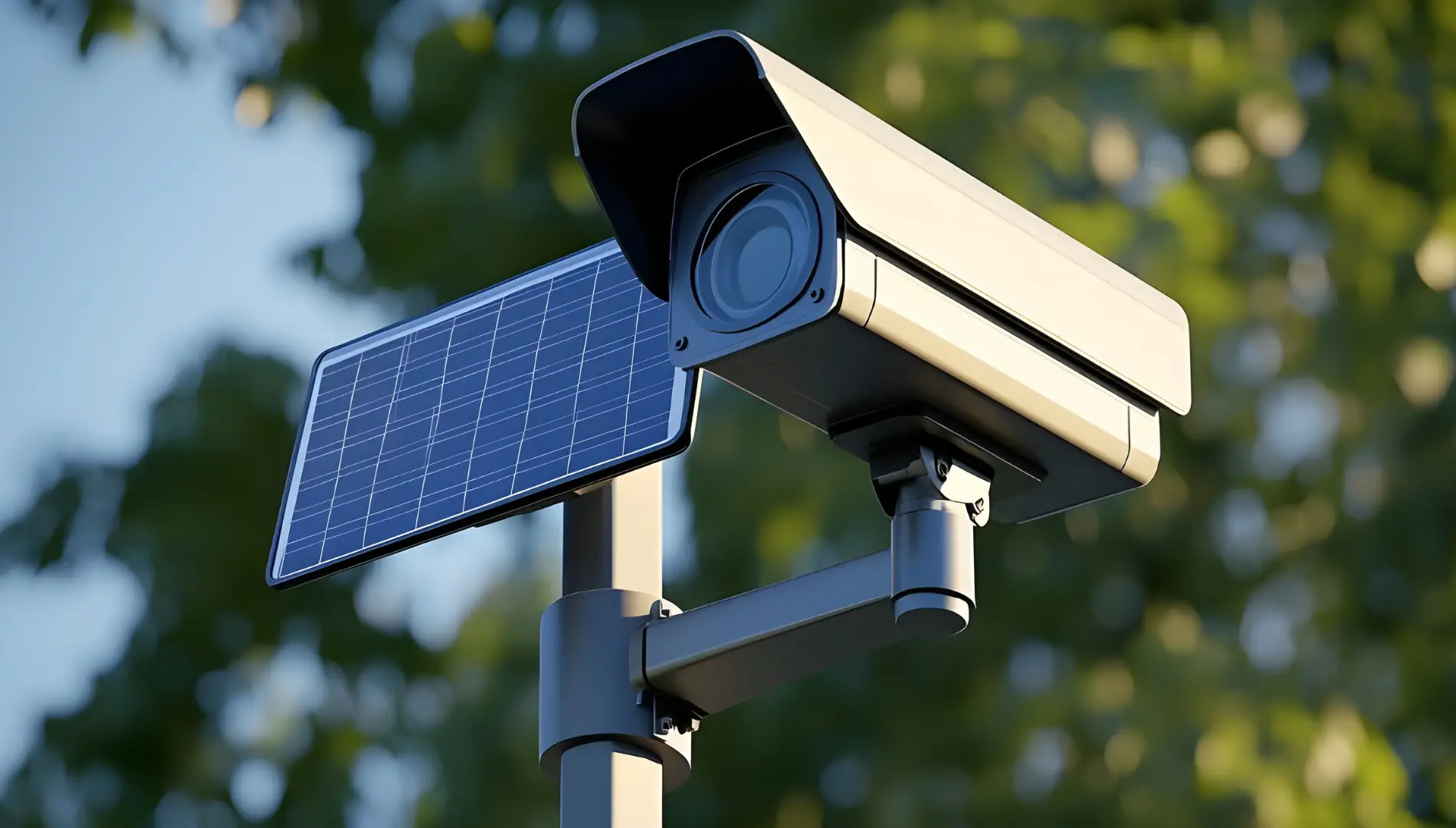




Security incidents threaten warehouses, as their remote locations, expansive premises, and high-value equipment can attract criminal acts such as trespassing, vandalism, and theft. Implementing security cameras can help organizations proactively defend against these threats and reduce the likelihood of them occurring.
Workers will be more inclined to adhere to safety procedures, while criminals will be discouraged from entering the premises. Security cameras for warehouses also provide numerous other benefits that can contribute to a safe and productive environment.
Discover the key features, advantages, and factors to consider regarding warehouse security cameras to assess how this solution can benefit and protect your business.
What Are Warehouse Security Cameras?
Warehouse security cameras are surveillance devices designed to monitor and protect the premises. They can be positioned in various locations, such as entrances, exits, aisles, administrative areas, reception areas, loading docks, and storage areas. Cameras can also be placed outside the warehouse, such as in the premises’ parking area or along its perimeter.
These security cameras come in various sizes and designs that are tailored to specific business needs.
For example, fisheye security cameras have an ultra-wide-angle lens, also known as a 360-degree lens, to provide panoramic footage. Similarly, a turret camera can be physically positioned to look at different angles, while dome cameras are covered in a protective dome casing, making them less vulnerable to tampering or vandalism.
Top Features of Warehouse Security Cameras
Key features of the best warehouse security cameras include:
- High resolution: Top-quality security cameras will feature 1080p resolution to capture high-quality footage, enabling easy identification of individuals and detailed recording of events.
- Night vision: Low-light recording and night-vision capabilities enable surveillance of warehouse premises during early, late, and overnight hours when sunlight is scarce.
- Remote access: Through remote access, security personnel and other authorized individuals can access and manage the security camera’s live footage from their mobile or computer devices.
- Motion detection: With motion and intrusion detection, security cameras monitor movements to detect suspicious and criminal activity, such as trespassing. These features can be customized to lower or increase their sensitivity based on the premises’ requirements.
- Weatherproof design: Particularly for security cameras that are installed outside, a durable design is a vital feature. When a security camera is designed with sturdy materials to withstand various weather conditions, it will have increased longevity and reduced maintenance costs.
- Cloud storage: While footage can be stored on the camera itself, cloud storage is a more secure and convenient option. Through cloud storage, all footage is instantly uploaded and can be accessed or transferred to authorized devices or personnel, ensuring greater accessibility.
- Alarm system integration: Advanced security cameras can be integrated with alarm systems to immediately notify on-site personnel and employees of breaches or other security incidents.
The Benefits of Using Security Cameras for Warehouses
Explore the top benefits of installing security cameras throughout your warehouse:
1. Sense of Safety
As warehouse security cameras can be placed throughout the premises, they offer 24/7 surveillance to help employees and visitors feel safer.
Employees may feel vulnerable to threats, particularly during late nights or short-staffed shifts, which negatively impacts their overall satisfaction and productivity. With surveillance cameras, among other warehouse security measures, employees will be more assured of their safety and can focus on their responsibilities without any distractions.
Businesses can also use security camera footage to identify workflow inefficiencies and bottlenecks, and make informed decisions to optimize processes and streamline operations.
2. Crime Deterrence
Warehouse security cameras can be a highly effective solution for crime prevention.
Potential criminals who are aware of security measures such as surveillance cameras monitoring their actions and capturing their identity will be discouraged from engaging in illegal acts on or close to the property.
While security cameras can be discreet, it may be more beneficial to display them prominently to draw attention to their presence. A warehouse with several security cameras in clear view will be an unattractive target for crime, prompting would-be offenders to seek an alternative location.
3. Employee Accountability
When security cameras monitor employees’ actions, they are more likely to adhere to the warehouse’s safety rules and procedures. Security cameras can also deter dishonest behavior and motivate employees to remain productive throughout their shifts. This can contribute to a productive environment that promotes employee accountability and professionalism.
Managers can also use footage from security cameras to monitor if equipment and machinery are being used correctly and ensure safety protocols are followed to intervene and rectify potential issues before accidents occur.
4. Incident Documentation
Due to warehouses’ susceptibility to safety and security issues, implementing security cameras to document these incidents can benefit warehouses and protect them against unwarranted liability claims.
For example, if an employee doesn’t follow the company’s procedures or is negligent in their duties and causes an accident that results in an injury, video evidence of their actions can aid the organization in the following investigations and legal proceedings. Through this verifiable evidence, warehouses can prove that due diligence was exercised in protecting employees.
Video documentation can also prevent future safety accidents in warehouses, as businesses can review the footage to analyze the situation and identify what caused the initial incident.
5. Investigation Aid
The presence of warehouse security cameras can aid criminal investigations and enable businesses to effectively liaise with authorities. After a security incident occurs, footage from the cameras can be used to corroborate witness testimonies to ensure all accounts are accurate.
As surveillance footage provides an accurate timeline and objective record of events, it can help investigators identify potential suspects and build a case against them to increase the likelihood of the prosecution and conviction of offenders.

Key Considerations When Implementing Warehouse Security Cameras
Warehouses face a range of safety threats, and the rate of fatal injuries in this industry continues to rise. When planning the installation of security cameras throughout your warehouse, take into account the following factors:
Upfront and Ongoing Costs
Depending on the number of cameras installed and each camera’s specific features and capabilities, the initial investment and ongoing operational costs of their implementation can vary. Businesses must assess the upfront costs of purchasing and installing the cameras in addition to the long-term expenses associated with maintenance and upgrades.
It’s also important to think about additional expenses associated with security cameras, including potential costs for electrical system upgrades and recurring subscription fees for cloud-based services. When businesses consider these costs, they can assess their budgets to make informed decisions regarding the effective allocation of resources and ensure the sustainability of their security camera infrastructure.
Camera Placement
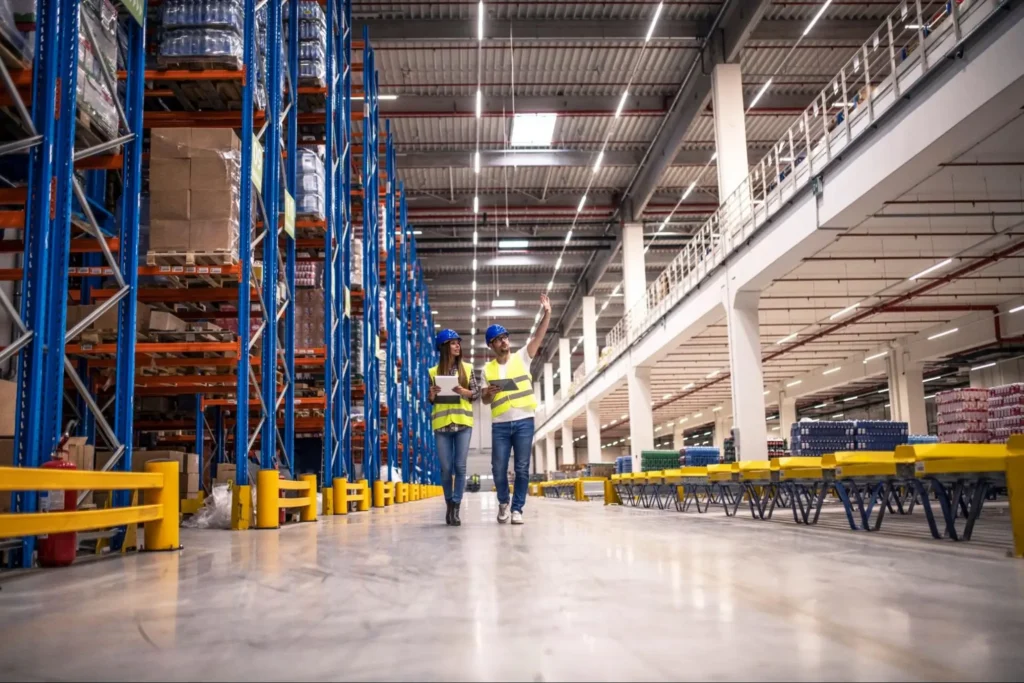
The optimal number and placement of cameras will depend on each warehouse’s layout, size, and specific areas of interest. While larger warehouses typically require more cameras, there’s no universally correct quantity, as the ‘correct’ number fluctuates depending on variables such as the warehouse’s operational activities and security priorities.
Areas with limited visibility, where employee negligence or crimes can take place, will require additional surveillance. Similarly, areas with high-value assets, sensitive information, or an increased risk of theft or vandalism should receive more focus when planning the layout of security cameras.
Other factors, such as lighting conditions and obstructions, can also impact camera placement decisions. For example, areas within the warehouse with poor lighting may require cameras with enhanced low-light capabilities, while cameras placed in central locations will be more effective with wide-angle lenses.
Privacy Concerns
The implementation of security cameras in warehouses, among other business premises, raises concerns regarding the privacy of employees and visitors. Various US privacy laws apply to specific circumstances to ensure the considerate use of security cameras.
For instance, the Department of Homeland Security (DHS) has created a Privacy Impact Assessment for the Use of CCTV template to evaluate and mitigate the potential privacy risks associated with the deployment and operation of security cameras.
Generally, laws require that all employees and other individuals be informed about the presence and purpose of security cameras. Businesses must also ensure that the data is collected, stored, and used in accordance with relevant privacy regulations. This includes implementing appropriate security measures to limit the footage’s access to authorized personnel and establishing clear guidelines for retaining and disposing of recorded data.
Integration With Other Security Measures
Security cameras can be highly effective at ensuring warehouse security and safety when combined with other security measures, including:
- Security guards: By patrolling the warehouse, security guards can deter crime and address incidents such as premise breaches or medical emergencies. Through a remote access feature, guards monitor security camera footage and coordinate their efforts to ensure a swift response to suspicious activity or potential security breaches.
- Access control systems: Integrating security cameras and access control systems enables businesses to monitor and manage access points in real-time, ensuring only authorized personnel gain entry to sensitive areas. While electronic access control manages who is permitted to enter specific locations, security cameras can provide visual verification of individuals attempting to access those areas.
- Surveillance trailers: In areas that the warehouse security cameras can’t reach, surveillance trailers can address any blind spots. These trailers consist of tall masts with cameras mounted at the top, enabling them to capture footage over larger areas, ensuring that no part of the warehouse is unmonitored.
Ensure Comprehensive Surveillance With Reliable Warehouse Security Camera Services
Warehouse security cameras should be a top priority for businesses looking to protect their employees and assets.
At American Security Force, we’re happy to provide robust warehouse security services to help protect facilities and ensure the safety of those working within them. Our surveillance systems can provide 24/7 coverage of the entire premises to pinpoint any suspicious activity and allow for immediate response by either security personnel or authorities.
We’ll help you to determine the best security strategy for your warehouse, including the optimal number, type, and positioning of our high-tech cameras.
Contact us today to speak to one of our experts or find out more about warehouse security best practices.