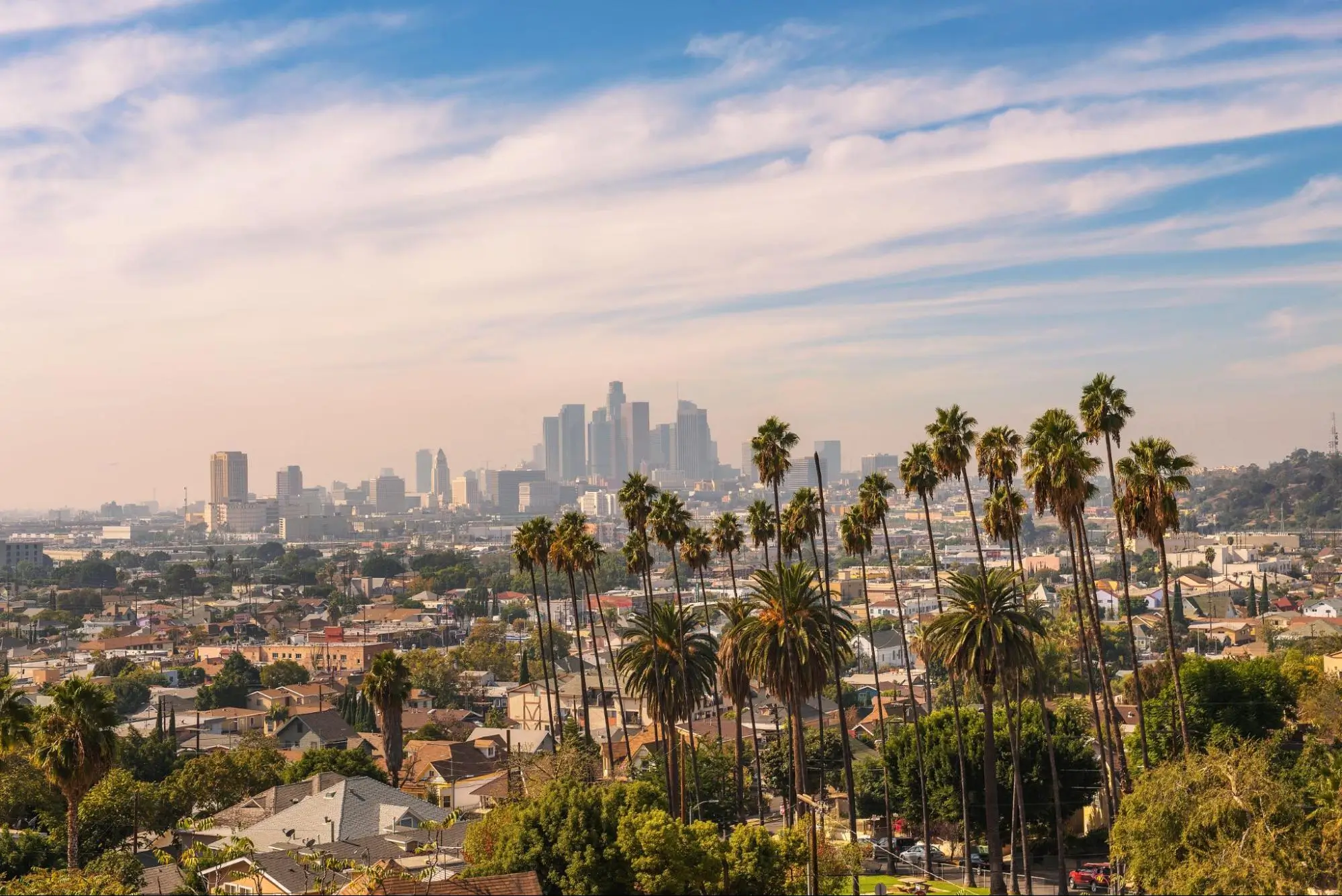




So, what are the safest cities in the US? Whether you’re relocating or just investing in a new property, that question has probably crossed your mind. You might have already seen a bunch of rankings, and you probably already figured that ‘safe’ is not the same thing in each of them.
Here at American Security Force, we already looked at the most dangerous cities in the US in a separate analysis, so this article shifts the focus to the other end of the spectrum.
Let’s go back to the safest places to live in the US and what ‘safe’ exactly means. When it comes to places that score high on safety, some lists focus solely on crime statistics by city. Others also take into account disaster risk, poverty, insurance coverage, and financial resilience. Using this broader idea of safety, this list includes cities that perform well across both crime-cost analyses and broader safety-related factors.
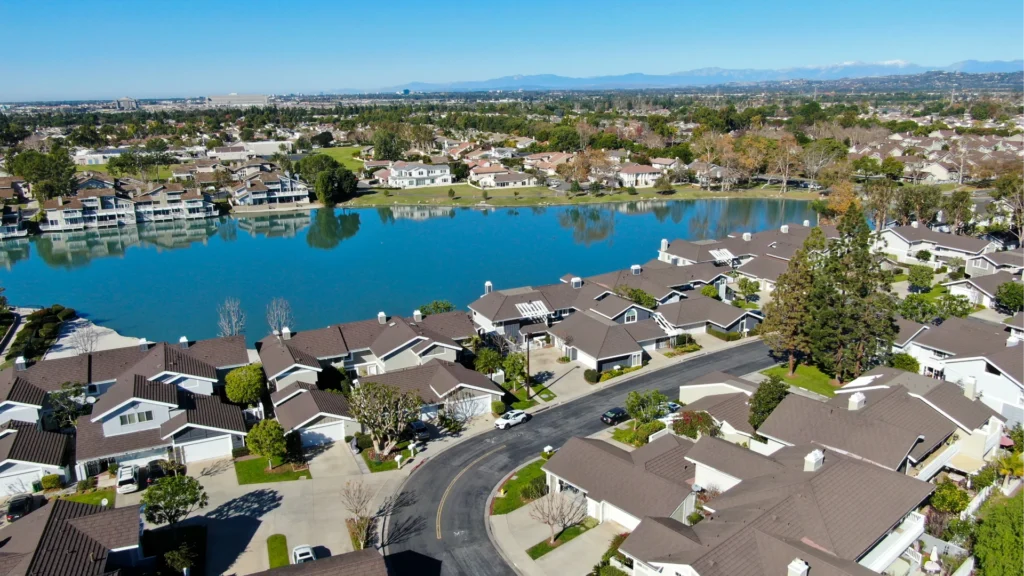
Irvine, California
What “Safe” Means Here
Safety can be measured in different ways, which is why rankings often vary. Before we begin, it’s important to establish what we consider safe and how we selected the cities below.
In this article, we consider a city to be safe when it combines:
- Low crime burden, measured by crime cost per resident, violent crime rate, and property crime rate.
- Economic stability, such as employment and income levels
- Broader safety factors like infrastructure, environment, and long-term growth
This gives a more balanced view than looking at crime statistics alone.
The 30 Safest Cities in the US (Ranked by Data and Stability)
1. Irvine, CA
Irvine, California, is one of the few cities that consistently appear across multiple national safety studies. Crime statistics by city show that violent crime remains well below national averages, particularly for a large city. With a population of about 307,000 (2020 U.S. Census data and Census Bureau estimates), Irvine benefits from long-term planning and strong economic stability.
Interesting fact: Irvine is one of the largest master-planned communities in the United States, with zoning designed decades in advance.
2. Naperville, IL
Naperville, Illinois, is frequently highlighted in crime-based rankings and broader safety studies alike. Crime statistics by city indicate that both violent and property crime remain below national averages. With a population of around 149,000, Naperville combines strong infrastructure with consistent community investment.
Interesting fact: Naperville is home to the Naperville Riverwalk, often called one of the most scenic public spaces in the Midwest.
3. Cary, NC
Cary, North Carolina, stands out for maintaining low crime levels while experiencing steady population growth. With a population of about 174,000, Cary benefits from strong economic conditions and long-term residential stability.
Interesting fact: Cary is located near the Research Triangle, one of the largest technology and research hubs in the country.
4. Gilbert, AZ
Gilbert, Arizona, is often cited as one of the safest cities in the US, especially among larger suburban areas. With a population of about 267,000, the city has developed alongside strong infrastructure and community planning. This contributes to its reputation as one of the safest cities in the US.
Interesting fact: Gilbert was once known as the “Hay Shipping Capital of the World”.
5. Frisco, TX
Frisco, Texas, has developed into one of the fastest-growing suburban cities in the country. This is largely thanks to corporate relocation and major sports investment. With a population of about 200,000, the city has newer infrastructure, planned neighborhoods, and strong local economy.
Interesting fact: Frisco is home to the Dallas Cowboys’ training facility and headquarters.
6. Columbus, Ohio
Columbus, Ohio, stands out as one of the largest cities on this list, offering a different perspective on safety compared to smaller suburban areas. With a population of about 905,000, the city benefits from a diverse economy, anchored by education, government, and technology sectors, which helps support long-term stability across many neighborhoods.
Interesting fact: Columbus is home to Ohio State University, one of the largest universities in the United States.
7. Overland Park, KS
Overland Park, Kansas, is often associated with long-term suburban stability rather than rapid change. With a population of about 197,000, the city benefits from steady development patterns and a strong local economy that supports consistent living conditions. Both violent and property crime remain below national averages.
Interesting fact: Overland Park is part of the Kansas City metro but maintains its own distinct suburban identity.
8. Chandler, AZ
Chandler, Arizona, has grown into a major employment center, particularly in technology and advanced manufacturing. This economic base has helped shape stable neighborhoods and sustained public investment. With a population of about 275,000, Chandler continues to expand while maintaining a structured and well-supported urban environment.
Interesting fact: Chandler hosts major semiconductor facilities that are critical to the U.S. tech supply chain.
9. Sugar Land, TX
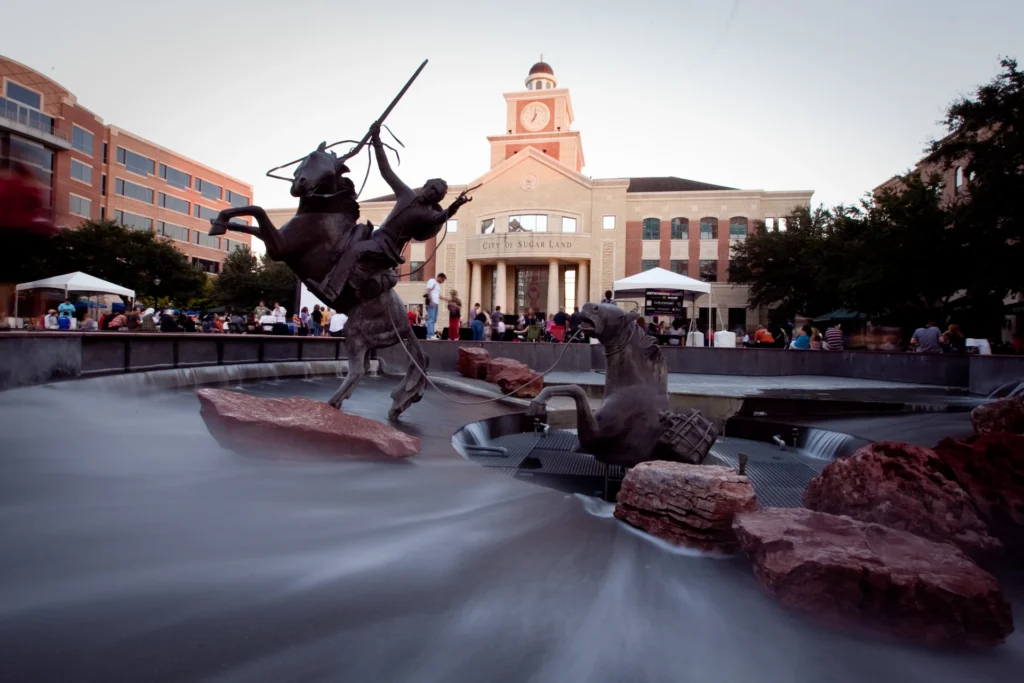
Sugar Land, Texas, stands out for its planned development and high standard of public services. The city’s layout, combined with strong local governance, contributes to a consistent quality of life. With a population of about 111,000, Sugar Land reflects a suburban model built around long-term livability rather than rapid expansion.
Interesting fact: Sugar Land was once a company town built around a single sugar refinery.
Source: Wikipedia
10. Temecula, CA
Temecula, California, blends residential growth with a strong tourism and wine industry presence. This mix has shaped a city that balances expansion with economic diversity. With a population of about 111,000, Temecula continues to evolve while maintaining a relatively steady pace of development.
Interesting fact: Temecula’s Old Town district preserves buildings dating back to the late 1800s.
11. Fishers, IN
Fishers, Indiana, has transformed from a small town into a fast-growing suburban city through careful planning. Its development has focused on maintaining community structure alongside expansion. With a population of about 95,000, Fishers represents a newer generation of suburban growth done with long-term stability in mind.
Interesting fact: Fishers officially became a city in 2015 after a public referendum.
12. Meridian, ID
Meridian, Idaho, has grown rapidly as part of the Boise metropolitan area. It offers a quieter residential alternative to larger urban centers. Its expansion has been driven by migration and new housing development. With a population of about 117,000, Meridian reflects the broader growth patterns of the Northwest.
Interesting fact: Meridian was originally established as a stop along the Oregon Short Line Railroad.
13. Carmel, IN
Carmel, Indiana, is known for its carefully planned development and strong emphasis on livability. The city has invested heavily in infrastructure, public spaces, and long-term urban design. With a population of about 99,000, Carmel reflects a model of suburban growth focused on stability and quality of life.
Interesting fact: Carmel has more roundabouts than any other city in the United States (with over 130 in operation).
14. Madison, WI
Madison, Wisconsin, is defined by its role as both a university city and a state capital. This dual identity supports a stable employment base and consistent population flow. With a population of about 270,000, Madison maintains a balance between academic, governmental, and residential life.
Interesting fact: Madison is built on an isthmus between Lake Mendota and Lake Monona.
15. Raleigh, NC
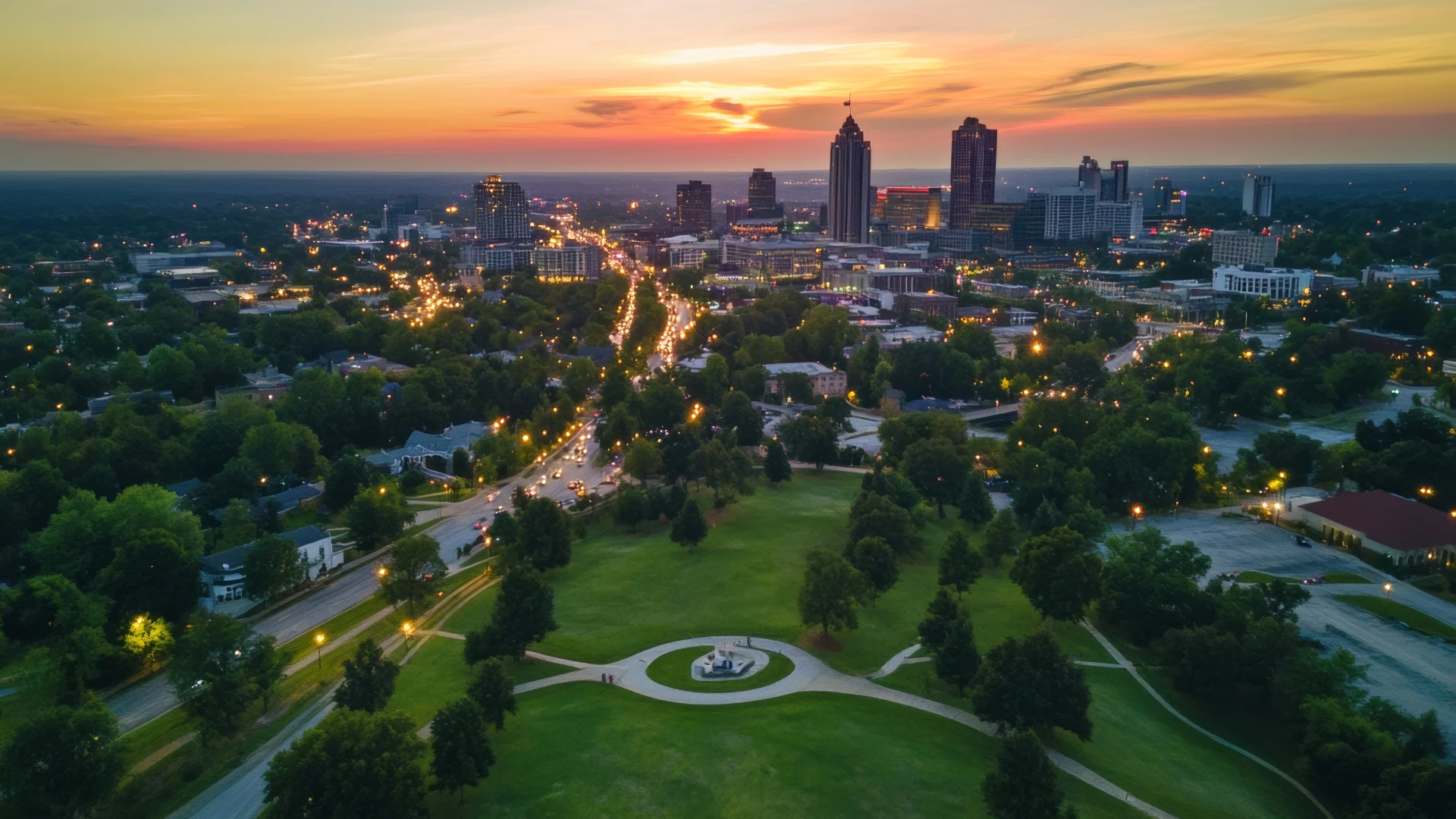
Raleigh, North Carolina, has become one of the fastest-growing cities in the country. Part of the Research Triangle, the city’s expansion is closely tied to technology and research sectors. With a population of about 470,000, Raleigh continues to evolve as a major economic hub.
Interesting fact: Raleigh is known as the “City of Oaks” due to its tree-lined streets.
Raleigh, North Carolina
16. Virginia Beach, VA
Virginia Beach, Virginia, combines residential communities with a strong tourism presence along its coastline. This dual role shapes both its economy and infrastructure. With a population of about 459,000, the city features a diverse mix of urban and suburban areas.
Interesting fact: Virginia Beach is an independent city and not part of any county.
17. Honolulu, HI
Honolulu, Hawaii, offers a different safety profile shaped by geography and economic stability. Crime statistics by city show that violent crime remains relatively low compared to many large cities. With a population of about 350,000, Honolulu reflects a different model of urban development.
Interesting fact: Honolulu is the only U.S. capital with a royal palace.
18. Scottsdale, AZ
Scottsdale, Arizona, is known for its mix of residential communities, tourism, and high-income neighborhoods. This economic profile supports ongoing investment in infrastructure and public services. With a population of about 241,000, Scottsdale maintains a well-developed and visually distinct urban landscape.
Interesting fact: Scottsdale has more than 200 golf courses in the surrounding area.
19. Ann Arbor, MI
Ann Arbor, Michigan, is shaped heavily by its academic environment and research activity. The presence of a major university influences both its economy and population dynamics. With a population of about 120,000, the city maintains a strong connection to education and innovation.
Interesting fact: Ann Arbor hosts one of the largest art fairs in the United States.
20. Fort Collins, CO
Fort Collins, Colorado, reflects a balance between growth and environmental access. Its development has been guided by planning that emphasizes community structure. With a population of about 169,000, Fort Collins continues to attract residents drawn to both opportunity and lifestyle.
Interesting fact: Fort Collins inspired the design of Disneyland’s Main Street, U.S.A
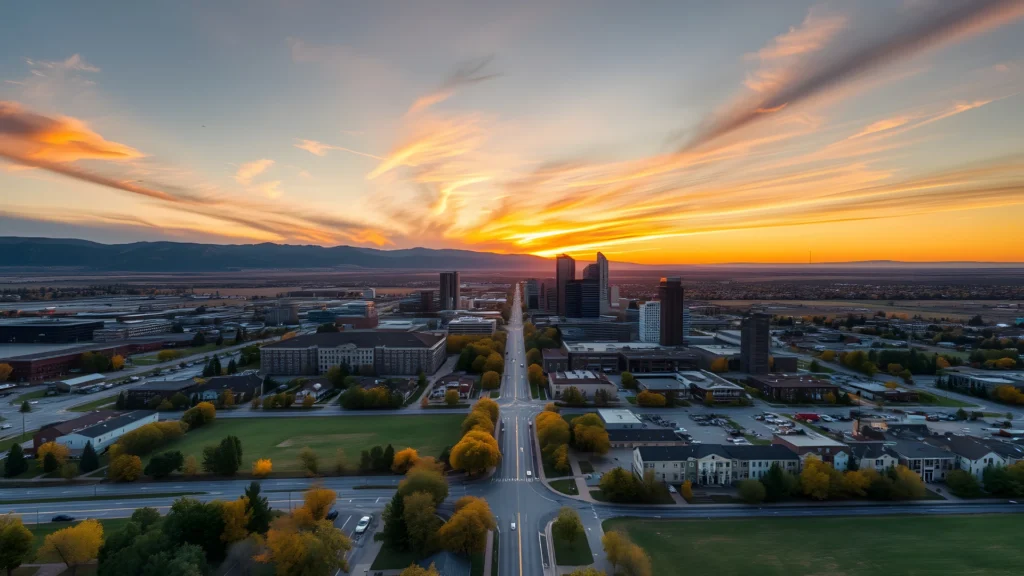
Fort Collins, CO
21. Provo, UT
Provo, Utah, is influenced by a younger population and a strong sense of community. Its growth is closely tied to education and local employment opportunities. With a population of about 115,000, Provo maintains a distinctive demographic profile compared to many cities its size.
Interesting fact: Provo regularly ranks among the youngest cities in the U.S. by median age.
22. Lincoln, NE
Lincoln, Nebraska, serves as both a state capital and a regional center for education and government. Its economy is anchored by public-sector employment and steady development. With a population of about 291,000, Lincoln reflects long-term stability rather than rapid change.
Interesting fact: Lincoln is home to the University of Nebraska’s flagship campus.
23. Des Moines, IA
Des Moines, Iowa, has developed into a key business and insurance hub in the Midwest. Its affordability and economic base contribute to a steady pace of growth. With a population of about 214,000, Des Moines continues to attract both residents and companies.
Interesting fact: Des Moines is one of the largest insurance centers in the United States.
24. Sioux Falls, SD
Sioux Falls, South Dakota, has experienced steady population growth supported by a strong employment market. Its regional importance has increased in recent years. With a population of about 192,000, Sioux Falls reflects consistent development without major volatility.
Interesting fact: South Dakota has no state income tax, which benefits Sioux Falls residents.
25. Huntsville, AL
Huntsville, Alabama, has emerged as a major center for the aerospace and defense industries. Its growth is closely linked to federal investment and technology development. With a population of about 215,000, Huntsville continues to expand its economic footprint.
Interesting fact: Huntsville played a key role in developing NASA’s Saturn V rocket.
26. Charleston, SC
Charleston, South Carolina, blends historic preservation with modern economic growth. Tourism plays a major role in shaping its development. With a population of about 150,000, Charleston maintains a balance between its past and ongoing expansion.
Interesting fact: Charleston was the site of the first shots of the Civil War.
27. Tampa, FL
Tampa, Florida, is a large metropolitan city with a diverse economy that includes finance, healthcare, and shipping. Its continued development reflects its importance in the Southeast. With a population of about 385,000, Tampa remains a major regional center.
Interesting fact: Tampa hosts the annual Gasparilla pirate festival.
28. Portland, ME
Portland, Maine, offers a compact urban environment with strong ties to the surrounding region. Its economy is shaped by tourism, fishing, and local business. With a population of about 68,000, Portland maintains a close-knit community feel.
Interesting fact: Portland is one of the busiest fishing ports in New England.
29. Burlington, VT
Burlington, Vermont, is a smaller city known for its focus on sustainability and quality of life. Its size contributes to a different pace compared to larger urban areas. With a population of about 45,000, Burlington reflects a community-oriented environment.
Interesting fact: Burlington was one of the first U.S. cities to run on 100% renewable electricity.
30. Colorado Springs, CO
Colorado Springs, Colorado, continues to grow as a center for military, tourism, and technology industries. Its location plays a major role in shaping development patterns. With a population of about 478,000, the city reflects ongoing expansion with diverse economic drivers.
Interesting fact: Colorado Springs sits at the base of Pikes Peak.
Top Safest Cities in the US (Quick Comparison)
| City, State | Key Insight |
| Irvine, CA | Consistently ranks across multiple national safety studies |
| Naperville, IL | Strong benchmark for suburban safety and low crime levels |
| Cary, NC | Low violent crime with steady population growth |
| Gilbert, AZ | Large suburb maintaining low crime despite rapid growth |
| Frisco, TX | Fast-growing city with stable crime levels |
| Columbus, OH | Large, diverse economy supporting long-term urban stability |
| Overland Park, KS | Stable suburban environment with consistent safety performance |
| Chandler, AZ | Strong job market supports long-term safety |
| Sugar Land, TX | Economic stability closely tied to lower crime levels |
| Temecula, CA | Balanced growth with controlled crime levels |
| Fishers, IN | Planned growth contributing to lower crime rates |
| Meridian, ID | Low crime levels despite rapid expansion |
| Carmel, IN | Planned development and infrastructure-driven stability |
| Madison, WI | Education and healthcare sectors reinforce stability |
| Raleigh, NC | Large city with relatively controlled crime levels |
| Virginia Beach, VA | Maintains safety despite large population size |
| Honolulu, HI | Low violent crime compared to other major cities |
| Scottsdale, AZ | High income and infrastructure support safety |
| Ann Arbor, MI | University-driven stability with lower crime levels |
| Fort Collins, CO | Well-planned growth and steady safety conditions |
| Provo, UT | Strong community structure and low crime levels |
| Lincoln, NE | Consistent safety supported by stable economy |
| Des Moines, IA | Affordable city with manageable crime levels |
| Sioux Falls, SD | Low unemployment linked to stable safety |
| Huntsville, AL | Growing tech economy with stable crime trends |
| Charleston, SC | Economic growth paired with manageable safety levels |
| Tampa, FL | Large city maintaining relative stability |
| Portland, ME | Smaller city with low crime and strong cohesion |
| Burlington, VT | Low violent crime and high quality of life |
| Colorado Springs, CO | Rapid growth with stable crime patterns |
Notes on Accuracy and Limits
A final accuracy point matters here. Some rankings, particularly those focused strictly on crime rates, tend to highlight a large number of smaller municipalities. This is partly due to how cities are defined and counted, as well as the population thresholds those studies use.
In contrast, this list includes a broader range of cities across the United States (larger and faster-growing areas included). Safety is more than low crime rates. It is also about economic stability and infrastructure. Other important notes include:
- The crime statistics report may not capture all incidents
- Safety can vary significantly by neighborhood
- Economic and infrastructure factors are harder to measure precisely
Sources Behind Our List of the Safest Cities in America
The information in this article is based on publicly available datasets and widely used research sources:
- FBI Crime Data Explorer (official crime statistics)
https://cde.ucr.cjis.gov/ - FBI Uniform Crime Reporting Program
https://ucr.fbi.gov/ - U.S. Census Bureau population and income data
https://www.census.gov/ - Bureau of Labor Statistics employment data
https://www.bls.gov/ - FEMA National Risk Index (environmental risk data)
https://hazards.fema.gov/nri/
We also reviewed supporting analyses from: