



Keeping a business secure is an ongoing responsibility, and traditional surveillance cameras have long been an integral part of that effort.
However, businesses face situations where power-dependent fixed cameras are not always the most practical option. A site may move regularly, such as events, evolve over time, such as construction sites, or be located in a remote environment where wired power is not available, such as a remote facility or farmland.
In these situations, conventional security systems can present more obstacles than solutions. Extending power to camera locations often requires planning and installation work that can take days or weeks to complete, while limiting where cameras can realistically be positioned.
Solar-powered cameras can remove these barriers and can be installed in locations where running electrical infrastructure would be cost-prohibitive or time-consuming, while still providing non-stop surveillance.
Our guide covers everything you need to know about solar-powered cameras, including how they work, their main advantages, what to consider before choosing a system, and the situations where they tend to deliver the most value.
What Are Solar-Powered Cameras?
Solar-powered cameras are surveillance systems powered by sunlight. Instead of relying on grid electricity, they use integrated solar panels and battery storage to power the camera and its supporting components, allowing them to operate in locations where traditional power sources are unavailable or unreliable.
The main difference between solar-powered cameras and traditional surveillance systems, such as wired or plug-in Wi-Fi cameras, is that solar cameras don’t need to be near an electrical outlet or a fixed power infrastructure.
While battery-powered cameras also don’t require a constant power connection, they still need to be physically taken down and recharged. Solar cameras remove that limitation by continuously recharging themselves, enabling them to continuously operate without routine removal or manual charging.
Fixed and Pan-Tilt-Zoom Cameras
There are several types of solar-powered cameras, including fixed cameras, which are designed to monitor a specific area from a single viewpoint. These cameras are mounted in one place and don’t move at all, making them ideal for monitoring fixed areas such as entrances and gates.
Because fixed cameras don’t adjust their position, they use less power, which helps the battery last much longer.
Pan-tilt-zoom (PTZ) cameras, on the other hand, can rotate horizontally (pan), move vertically (tilt), and zoom in to capture fine details, all controlled remotely. A PTZ camera can cover a much larger area compared to a fixed camera and track movement as it happens.
Many PTZ systems can also be set to scan different zones on a schedule. Although this movement uses more battery power, PTZ cameras can still be more cost-efficient since fewer cameras are needed to cover an area.

How Solar-Powered Cameras Work
Solar panels, which are built into solar camera systems, capture sunlight and convert it into electricity. That electricity is stored in an onboard battery, which powers the camera.
Even when there is no natural light, the system continues running using stored energy, so it doesn’t rely on external wiring or grid electricity, as long as there is enough sunlight over a given period to keep the battery charged.
During the day, the solar panel powers the camera and recharges the battery, keeping the system topped up while actively recording and transmitting data.
When sunlight is reduced or absent at night, the camera automatically switches to drawing power entirely from the stored battery supply.
Key Components of a Solar-Powered Camera System
While solar cameras for outside use can vary in size, features, setup, and intended use, several core components form the basis of most systems:
- Camera Unit: The camera unit is the core of the system and captures video footage, usually from within a weather-proof enclosure.
Most solar-powered cameras include high-resolution video capture, night vision for low-light or dark environments, and motion detection to record or alert when activity is detected.
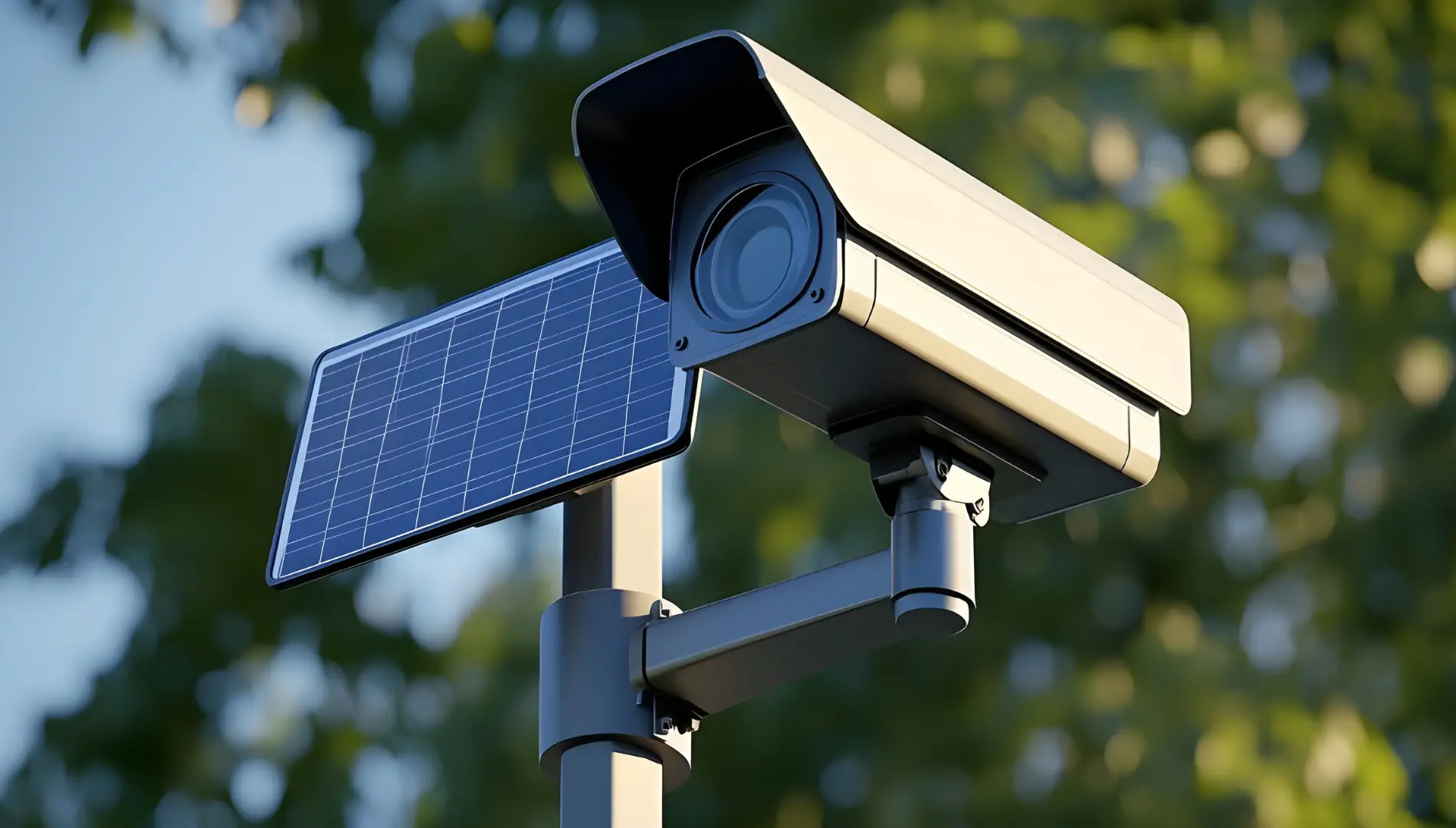
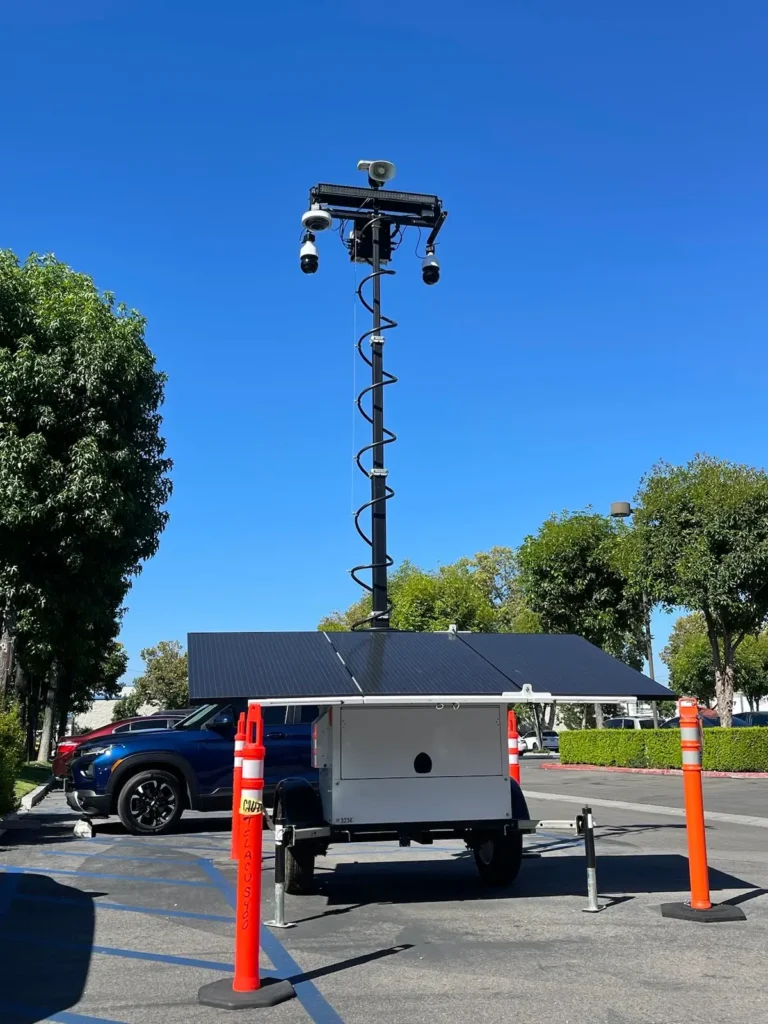
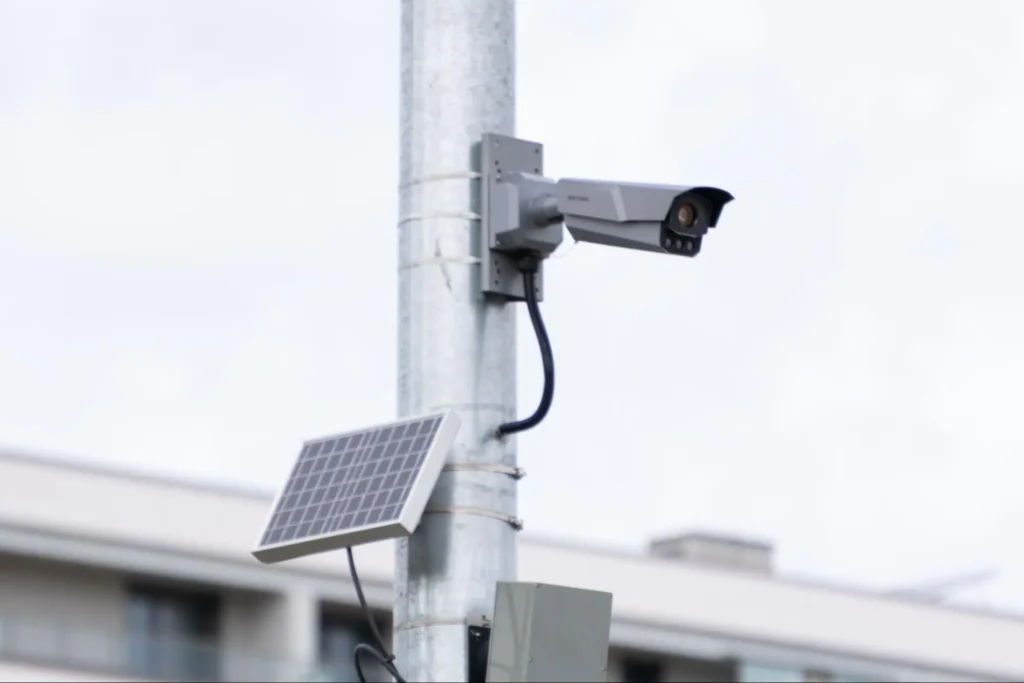
- Solar Panel: The solar panel is the flat, rectangular part of the system that sits outside and collects sunlight. It usually looks similar to a dark glass sheet framed in metal and is mounted above or beside the camera.
In most setups, the panel is roughly the size of a small suitcase to a large window panel, depending on how much power the system needs. Smaller cameras may use compact panels, while larger or high-performance systems use bigger panels to generate more energy.
- Battery Storage: The battery stores energy collected during the day so the camera can continue operating at night or during periods of limited sunlight. Capacity is measured in watt-hours (Wh), which impacts how long the system can run without additional charging.
Lithium batteries are commonly used because they handle repeated charge cycles well and maintain performance across a wide range of temperatures.
- Charge Controller: The charge controller is a small internal component that regulates how electricity flows between the solar panel, battery, and camera system. It is typically housed within the main unit and is not visible during normal use.
Its role is to ensure the battery is charged safely and operates within optimal limits, preventing overcharging when the solar panel is producing excess energy. When stored power gets very low, the system also reduces or stops heavy energy use so the battery doesn’t drop to a level that can damage it or shorten its lifespan.
- Connectivity Module: The connectivity module enables remote access to live and recorded footage.
Many modern systems include cellular connectivity, which uses a mobile network to transmit video footage, alerts, and system status updates, and allows the system to be managed remotely. Due to this, solar-powered cameras can be fully functional in remote or undeveloped locations without relying on Wi-Fi or wired internet connections.
- Mounting Structure: The mounting structure is what holds the entire solar camera system in place and determines where it can be installed. With mounting, cameras can be installed on walls, poles, or even mobile surveillance trailers.
A well-positioned mount ensures the panel receives sufficient exposure to stay charged while providing the camera with a clear, useful view of the site. A stable installation also helps the system perform reliably in outdoor conditions such as rain and wind.
Solar vs. Wired Cameras
Although solar-powered cameras have grown in popularity, traditional, wired security cameras remain widely used for fixed security setups.
Each system has its own strengths, depending on where and how it is used:
| Solar Cameras | Wired Cameras | |
| Power Access | Works in locations without electrical infrastructure | Requires existing or installed power supply |
| Deployment Type | Suited for temporary or changing sites | Suited for fixed, long-term installations |
| Site Scale | Works well across large or remote areas | Best for smaller areas with infrastructure |
| Installation | Quick setup with minimal groundwork | Installations require wiring and setup planning |
| Flexibility | Easy to relocate as the site needs change | Fixed once installed |
| Reliability | Dependent on sunlight and battery capacity | Consistent power supply enables uninterrupted operation in stable environments |
In many larger or more complex sites, solar and wired cameras are often deployed together, with solar units covering remote or hard-to-reach areas while wired systems secure permanent structures and fixed entry points.
Top Solar-Powered Camera Use Cases & Industry Applications
Many different types of businesses rely on solar-powered cameras to support their security and surveillance in environments where traditional infrastructure is limited or impractical.
The main use cases of solar cameras are:
- Monitoring and transmitting data from remote locations
- Providing surveillance in temporary or changing environments
- Delivering coverage where electrical access is unavailable
- Covering large outdoor areas with limited infrastructure
- Maintaining security during power outages or grid disruptions
The industries that benefit the most from these use cases include:
Construction
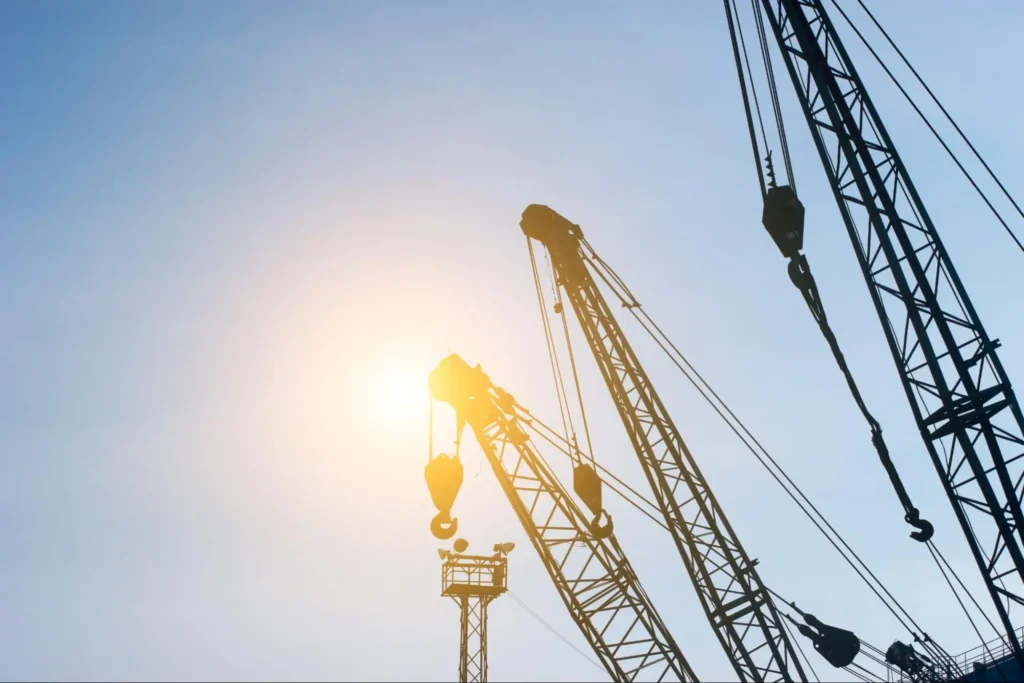
Construction firms use solar-powered cameras to monitor active job sites that often begin without power infrastructure. As projects progress, site layouts change frequently, making it difficult to plan for fixed wiring and expensive to adjust.
Solar-powered cameras can be used throughout these sites to monitor and transmit data from remote areas and to provide coverage in locations where electrical access has not yet been installed.
On a multi-phase commercial build, a solar camera can be positioned at the perimeter early in the project and later relocated to monitor interior progress or newly active entry points without requiring any electrical work.
1. Energy and Utilities
Energy and utility operations already deal with the challenge of managing assets across remote, widely distributed locations where access to power and infrastructure is limited.
Solar-powered cameras fit into these environments by extending visibility across large infrastructure networks without requiring additional infrastructure. They also provide surveillance during power outages, helping maintain visibility at sites that need consistent monitoring.
2. Commercial Real Estate
Property managers are responsible for maintaining security across wide areas where installing wired systems would require significant construction work or disrupt tenants and visitors.
Solar-powered cameras can be used by commercial real estate businesses to cover expansive outdoor spaces with limited infrastructure and provide visibility in lower-traffic or hard-to-wire areas of a property. For example, a retail center may deploy solar cameras across parking lots and entrances, while a business park might use them to monitor perimeter fencing and loading zones.
3. Events
Organizers of festivals and other outdoor events can use solar-powered cameras to manage short-term security needs in environments where temporary systems must be set up quickly and often lack existing infrastructure.
Solar cameras can be quickly deployed to monitor key areas of the event, such as entrances and restricted zones.
For example, at a multi-day music festival, solar cameras can be positioned at main entry gates, backstage areas, and parking zones to monitor activity and manage crowd movement. Once the event concludes, the equipment can be removed and redeployed elsewhere without leaving behind fixed infrastructure or requiring dismantling of wired systems.
4. Agriculture and Rural Operations
Farms and agricultural businesses often operate across large areas of land where extending electrical infrastructure is impractical.
In remote and rural locations, solar cameras can be set up to monitor large areas, oversee perimeter fencing, monitor equipment storage areas, surveil livestock activity, and keep watch over irrigation systems or remote water points. They also provide visibility in isolated parts of a property where regular on-site presence is limited.
Advantages of Solar-Powered Cameras
When opting for solar-powered cameras, businesses can:
- Set Up Surveillance Without Power Infrastructure: Since these systems generate and store their own energy, they can be deployed in off-grid locations where traditional systems would require expensive infrastructure work or may not be feasible at all.
- Install Cameras Quickly: Solar-powered cameras can be installed and activated in a matter of hours, making them useful in situations where security needs to be established quickly, such as new construction phases or temporary sites.
- Reposition as Needed: As sites change, solar camera placement can adjust alongside them without major reinstallation work. Units can be moved to new positions to align with new layouts and improve coverage as projects progress or new security considerations emerge.
- Cut Long-Term Costs: Without reliance on grid electricity, there are no ongoing power bills. Since solar-powered cameras also require manual input and transmit data wirelessly, they can help reduce labor costs over time, especially on remote or large-scale sites.
- Keep Systems Running Through Outages: Solar systems can continue to function during grid outages, so businesses don’t have to worry about their site being left unmonitored at any time, even in extreme circumstances.
- Handle Maintenance with Ease: Compared to wired systems or generator-powered setups, solar cameras require minimal upkeep. Routine tasks typically involve basic panel cleaning and occasional system checks rather than repeated mechanical or electrical servicing.
- Meet Sustainability Goals: Solar cameras can help businesses reduce their carbon footprint, which can support them in hitting their sustainability targets or showing clients they’re committed to greener operations.
Key Considerations Before Choosing Solar-Powered Cameras
Although solar-powered surveillance cameras have many advantages, there are several key factors businesses must consider before integrating them:
- Sunlight Availability: The performance of solar cameras depends on their panel’s exposure to direct sunlight, and shading from buildings, trees, fencing, or nearby equipment can affect their reliability.
Sites with frequent cloud cover or short daylight windows may also experience lower battery performance.
- Battery Backup Capacity: The system’s battery size determines how long it can continue operating without sunlight, and larger batteries are typically best for areas with generally lower levels of sunlight.
- Power Consumption: Different camera features affect how much energy the system uses, which businesses need to plan for.
Functions like continuous video recording, motion-triggered alerts, infrared night vision, and live remote viewing all increase power demand. When these features run at higher levels, the battery drains faster, and the system has less buffer during low-sun periods or bad weather.
High-traffic sites with constant motion detection or 24/7 monitoring may need larger battery storage or more efficient camera settings to avoid downtime.
- Electrical Backup Options: Businesses may opt for a hybrid setup, where a solar-powered camera is connected to a backup power source such as a battery reserve or grid link. The electrical backup ensures that the cameras continue to run even when solar generation drops below what the system needs.
Businesses often add backup power when downtime poses a higher risk, such as sites with valuable equipment or those located in areas with unreliable sunlight or harsh weather.
- Environmental Conditions: Environmental conditions affect how well the system performs and how long it lasts. Dust buildup can block sunlight from reaching the cells on solar panels, and can cause energy losses ranging from about 2.8% up to 50%.
Snow and debris can have a similar blocking effect, while extreme temperatures also influence a solar camera’s battery efficiency and storage capacity.
How to Choose the Right Solar Camera System
When reviewing solar camera options from a security provider or comparing different models online, there are several key features businesses should keep in mind to ensure the system meets their needs:
- Battery capacity should support 3 to 5 days of runtime to maintain steady coverage during periods of low sunlight, but larger batteries may be needed in areas with frequent poor weather conditions.
- Panel wattage affects how quickly the system recharges and how well it performs in cloudy or low-light conditions.
- Dual-power capability provides flexibility for businesses, as it allows the system to switch between solar and external power when needed.
- Camera quality should be at least 2K resolution with strong night performance, such as thermal imaging, for clear visibility 24/7.
- Durability matters in outdoor environments, and solar-powered cameras with weatherproof ratings like IP66 or IP67 will be the best options.
Even with these different features and functionality, choosing the right solar camera for your business can be complex and time-consuming. If you want to compare options more easily and see how different systems stack up, check out our guide to the best solar-powered cameras on the market.
Improve Surveillance and Security Across Your Business With Solar-Powered Cameras
Solar-powered cameras are a strong fit for businesses that need security in locations without easy access to power and sites that change over time.
Before deciding whether a solar camera is a good fit for your business, it helps to walk through your site conditions to identify and assess:
- Areas that need continuous monitoring and coverage
- The level of uptime your operation depends on
- How much sunlight do different parts of the site receive during the day
- The strength of available cellular or network connectivity
- How often are site layouts or conditions likely to change
Doing so makes it easier to choose a setup that aligns with your needs and expectations.
If you’re looking to explore options for your business, American Security Force can help you assess your site and recommend a setup that suits your business.
Contact us for a quote, and we’ll work with you to design a solution that helps you take full advantage of solar-powered cameras.
Solar-Powered Cameras FAQs
Learn more about solar-powered cameras with these answers to frequently asked questions:
How long do solar cameras run without sunlight?
In most cases, solar-powered outdoor cameras can keep running for several days even without direct sunlight. How long they last depends mainly on the size of the battery and how the system is being used.
If the camera is recording continuously or sending frequent updates, it will use more power and won’t last as long on battery alone. Systems set to record only when motion is detected tend to stretch that battery life much further.
Can solar cameras be moved to different locations?
Yes, many solar camera systems are highly mobile, especially when pole-mounted or part of a mobile surveillance trailer set-up.
Do solar cameras work at night?
Yes, solar cameras operate at night using energy stored in the battery during the day. Once sunlight is no longer available, the system automatically switches to battery power.
Do solar cameras work in winter?
Yes, solar cameras can continue operating through winter, but businesses may need a backup electricity system to take over if their locations experience a prolonged period without any sunlight.
How much maintenance is required for solar cameras?
Maintenance requirements for solar-powered outdoor cameras are generally low compared to wired or generator-powered systems.
Most upkeep involves cleaning the solar panels to remove dust or dirt that can reduce efficiency, along with occasional checks on battery condition and connectivity.
For many businesses, this is typically handled as part of a managed service, where a security provider, such as American Security Force, takes care of the system’s setup and maintenance.