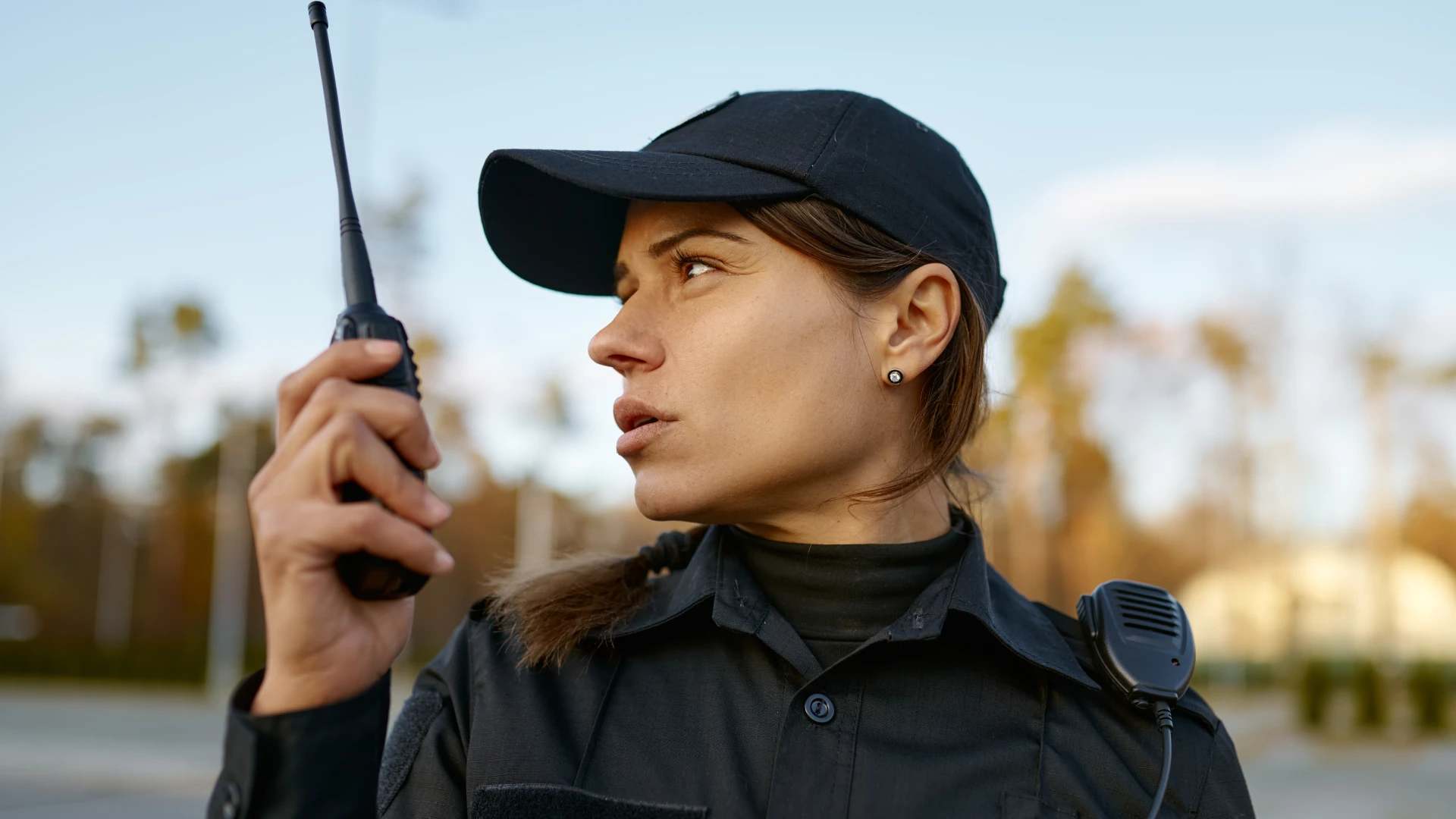




In moments of crisis, the first few minutes are critical. A fast and effective emergency first response can mean the difference between life and death. Immediate actions stabilize victims, prevent further harm, and create a safe environment for professional medical help to take over.
The security guards at American Security Force are often the first line of defense in emergencies. That’s why they undergo special training that prepares them to provide the rapid first response that keeps people safe. But what exactly does an effective crisis care look like? How can security professionals make a difference? Keep reading to find out.
What Is the First Response to an Emergency?
Emergency first response refers to the initial care provided to victims of an emergency.
It can happen anytime, anywhere – on construction sites, corporate offices, or retail locations. In these moments, emergency first response plays a crucial role.
The first response aims to :
- Address immediate health and safety concerns
- Stabilize the situation
- Prepare for the arrival of emergency medical services (EMS)
Security guards often step in during the first few minutes of a crisis. They are trained in first aid, CPR, and site-specific emergency protocols.
Key Components of Emergency First Response
Effective emergency first response relies on several key components. Each step is crucial in ensuring the safety and well-being of both the victim and the responder.
1. Recognizing Emergencies Early
The first step in any emergency is recognizing the problem. Security guards are trained to spot:
- Unusual behavior or distress signs
- Accidents, fires, or medical emergencies
- Suspicious activities that could escalate
Early recognition allows for faster intervention and reduces risks. In some cases, emergencies might take time to be apparent, so being attentive and vigilant is critical.
2. Assessing the Scene and Ensuring Personal Safety
Before acting, it’s essential to ensure the scene is safe. Our guards check for:
- Hazards like fire, unstable structures, or electrical risks.
- Potential threats that could harm responders or bystanders.
American Security Force emphasizes that responder safety comes first. A harmed responder can’t help others.
3. Administering First Aid and CPR
Once the area is secure, providing care is the next step. This includes:
- First aid: Cleaning wounds, controlling bleeding, and treating shock.
- CPR: Chest compressions and rescue breaths for victims in cardiac arrest.
Our guards undergo regular training to keep these lifesaving skills sharp, ensuring a reliable emergency first response when it matters most.
4. Mobilizing Resources and Contacting Emergency Services
No emergency response is complete without efficient communication. A successful emergency first response includes:
- Using available resources like Automated External Defibrillators (AEDs).
- Coordinating with bystanders when necessary.
- Calling emergency services with clear details about the situation.
Our team provides real-time updates, helping emergency responders arrive prepared.
The Role of Technology in Emergency First Response
Advanced security technology accelerates emergency response. American Security Force integrates:
- Mobile Surveillance Trailers: Real-time footage for faster decision-making
- Live Video Monitoring: Detect threats before they escalate
- Instant Alerts: Immediate communication with emergency services
This tech-driven approach reduces response times and prevents emergencies from becoming disasters.
Emergency First Response in High-Risk Environments
Different environments demand tailored emergency response strategies. Security guards at American Security Force are trained to adapt quickly and apply site-specific protocols, ensuring the right actions are taken in the critical first moments of a crisis.
Construction Sites
Construction zones are high-risk environments where the margin for error is slim. With heavy machinery, elevated workspaces, and constant activity, construction sites demand specialized emergency response strategies.
- Risks: Falls, equipment accidents, and unauthorized access.
- Emergency Response: Trained security guards conduct immediate scene assessments, secure dangerous zones, and deliver first aid for injuries such as lacerations, fractures, or shock. Their fast intervention helps prevent escalation while awaiting EMS. Regular safety drills and familiarity with site layouts enhance response speed and effectiveness.
Retail and Corporate Spaces
Retail stores and office buildings often face unpredictable predicaments. In such settings, a professional emergency response must balance care, communication, and crowd control. From medical emergencies to theft and workplace disputes, retail environments and corporate offices often encounter a mix of security challenges.
- Risks: Theft, violent incidents, and medical emergencies
- Emergency Response: Security professionals manage crowd control, provide first aid, and coordinate with law enforcement and medical teams.
K–12 Schools and Educational Campuses
Educational institutions, especially those serving young students, require highly sensitive and specialized emergency response protocols. The safety of children and staff depends on immediate, well-coordinated action.
- Risks: Health emergencies, student altercations, unauthorized individuals on campus, and lockdown scenarios
- Emergency Response: Guards trained in school-specific emergency procedures can identify threats early, administer care to students in distress, and coordinate with administrators and emergency services. Maintaining calm during high-stress events is critical, especially in the presence of children. Drills, communication plans, and familiarity with emergency exits all contribute to a more resilient response system.
Legal and Ethical Considerations
Understanding the legal and ethical considerations in emergency first response is essential. Ethical decisions during large-scale emergencies may involve allocating limited resources.
Our guards operate with the highest standards by:
- Obtaining Consent: Providing care only with the victim’s permission whenever possible.
- Respecting Privacy: Protecting victim confidentiality.
- Acting Without Discrimination: Delivering care impartially, prioritizing health and safety.
Being Ready When It Matters
At American Security Force, we believe that emergency training and readiness are the foundations of an effective first response. Every individual has the potential to make a life-saving impact when equipped with the right skills and knowledge.
Proper training in first aid and emergency procedures isn’t just important – it’s essential. Hands-on courses build confidence and competence. This way, employees and community members know how to react when every second counts. By educating teams about emergency protocols and conducting community drills, businesses can create environments where swift, informed action becomes second nature.
This can make all the difference in emergency situations that require immediate response from everyone on the scene.
ASF: Your Partner in Emergency Response
Emergencies are unpredictable. Your response doesn’t have to be. With American Security Force, you have a reliable partner for:
- Rapid response by trained security professionals
- Integration of mobile surveillance and real-time monitoring
- Customized emergency plans for your specific needs
Contact American Security Force today and learn how our guards and technology can provide the emergency first response that keeps your business and community safe.