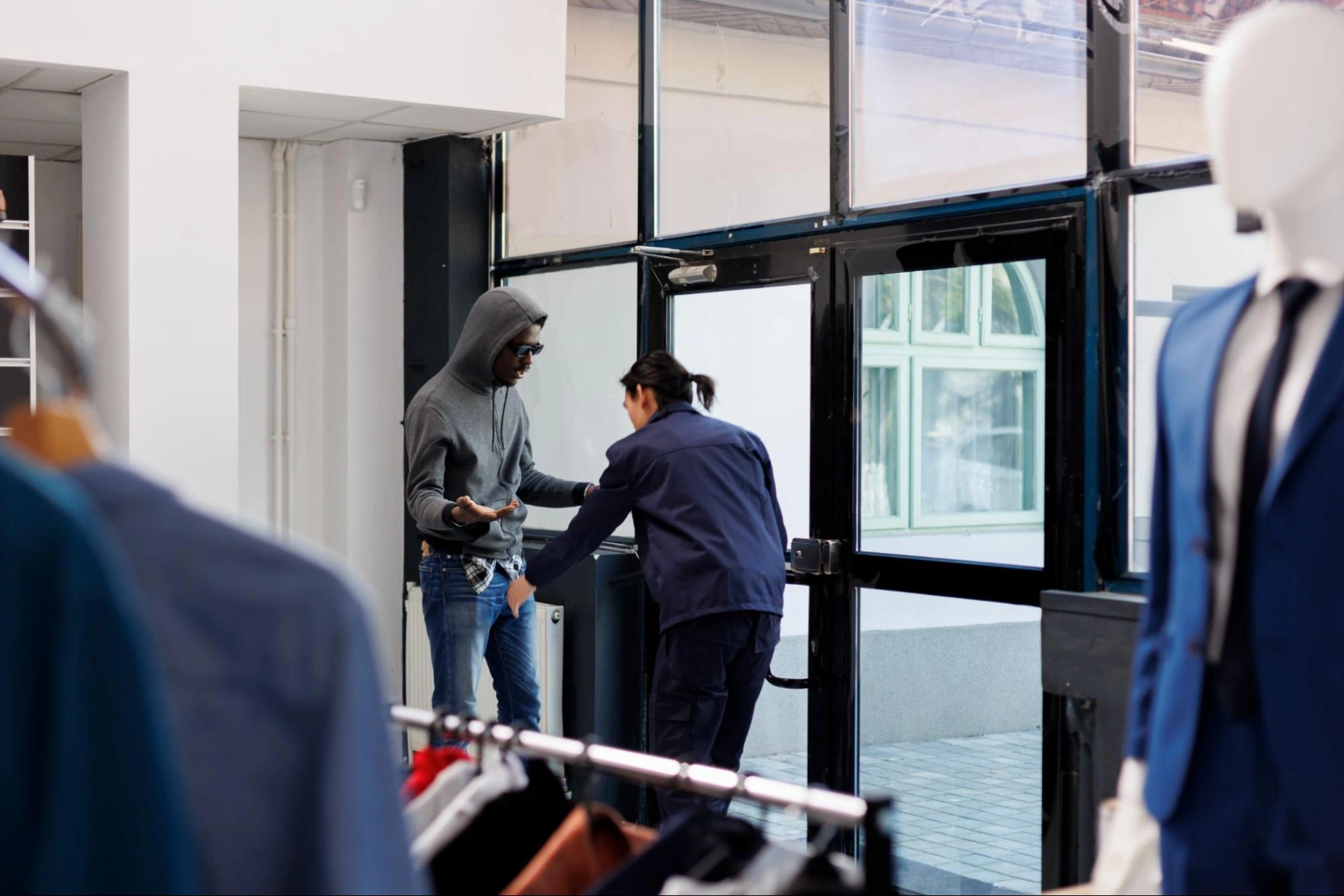




If your property covers a large area, struggles with inventory loss, or faces other security challenges, it may be time to consider security patrols.
Businesses may hesitate to invest in security guard patrols due to perceived costs and the added considerations of having on-site personnel, but the advantages of trained, professional guards overseeing the property outweigh these concerns.
You may still be wondering, “Does my property need a security patrol?”, and we’re here to help answer that question by outlining the top signs that a patrol could benefit your business premises.
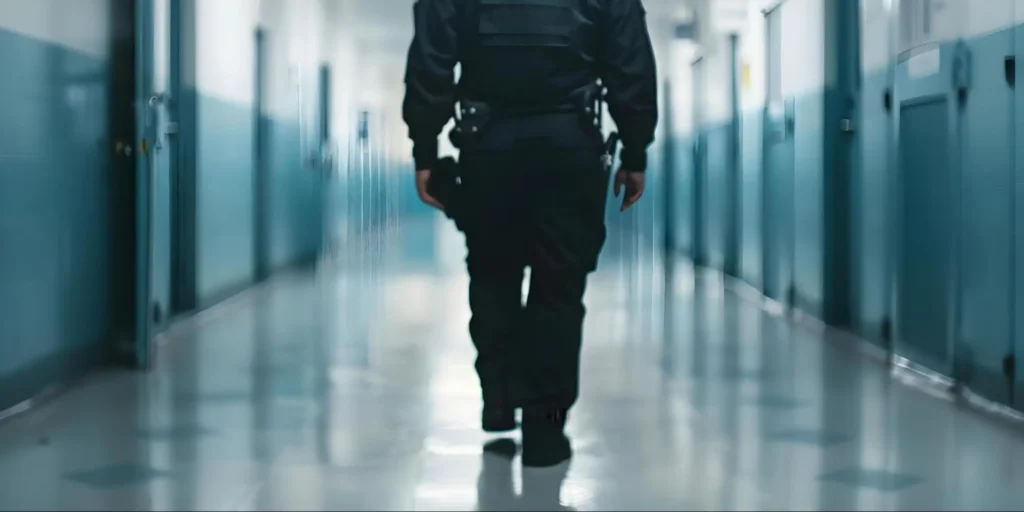
Sign 1: You Keep Losing Tools, Inventory, or Equipment
If you’ve noticed tools, materials, or inventory disappearing from your property, your current security measures are not strong enough deterrents. They may have identified locations of your surveillance systems and alarms, and avoided them to steal without being detected.
A mobile security patrol adds unpredictability to your security measures, and potential intruders will have a much harder time entering your property unnoticed. Guards can adjust their patrol routes, making it difficult for anyone to anticipate security patterns and lowering the likelihood of repeat incidents.
Sign 2: Your Property Is Too Big to Watch Alone
If you manage multiple buildings or large outdoor areas, keeping your entire property monitored can be expensive and complicated. Cameras may leave blind spots, leading to whole areas or corridors unmonitored. There are some solutions for watching these big properties, such as mobile surveillance trailers, which use tall masts with cameras to watch over wide spaces or spots.
Electronic systems help with general oversight, but security guards patrolling the area are the most efficient way to keep an eye on every corner.
If your site stretches over long distances, you can break the property into zones and set up rotating routes. Guards can move through the space on foot or in a vehicle, stopping at checkpoints and ensuring that no part of the property sits ignored for too long.
Sign 3: Your Property Is Empty After Hours
Once employees leave and the lights go off, your property can become an easy target for vandals, thieves, or trespassers testing boundaries. Even with alarms or cameras, passive systems can’t react in real time, leaving gaps in protection.
Having a single guard or a small team patrol through the night and on weekends, when no one else is around, gives you quick intervention if something happens, like an intruder trying to breach the perimeter. Hiring guards during quiet hours does add to your budget, though the cost is often far less than dealing with damage or loss after vandalism and theft.
Sign 4: Unfamiliar People or Vehicles Keep Showing Up
If you’ve spotted unknown individuals lingering around your property or noticed unfamiliar vehicles parked nearby, it’s a signal that someone may be scouting your site. This type of activity can be an early hint that someone is checking access points, traffic patterns, or weak spots, and planning to infiltrate your premises.
A security patrol provides awareness for suspicious activity, as guards move through the area to take notes on anything out of place and pass along observations you can use to guide your decisions. For example, a guard who sees the same car circling the block each night can record plates, timing, and location patterns.
You can use these observations to adjust your other security measures, such as adding additional surveillance cameras facing outward toward the street or parking lanes, and putting up signs that make it clear the property is being monitored.
People who might be testing boundaries usually back off when they notice an active patrol moving through the property, so even a single security guard patrolling the premises can shift the environment and reduce the chance of unwanted activity developing later.
Sign 5: You Store High-Value Items On-Site
If your property houses expensive tools and equipment, high-value inventory, or other ‘hot’ products, unexpected attention from outsiders becomes more likely. People scouting for opportunities often focus on sites that hold items worth taking and may watch for gaps in routines, unsecured doors, or poorly lit storage areas. Even with cameras in place, some individuals still take the risk if they believe the potential reward outweighs the chance of being identified later.
A security patrol helps by checking these areas in person. Guards verify that locks, gates, and access points are secured, look for tampering, and move through the property, making it harder for someone to predict when a space will be unobserved.
Patrol guards also document what they see with written reports and photos. This gives you a record you can rely on when reviewing your security setup, planning improvements, or addressing any irregularities that show up during the workday.
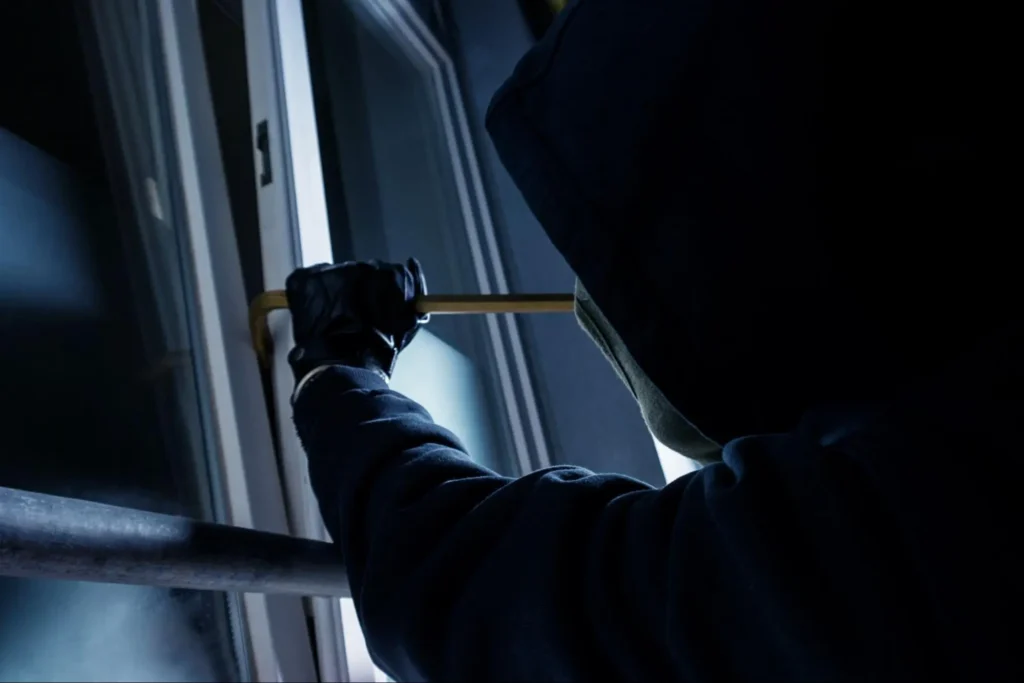
Sign 6: Emergency Responses Have Been Too Slow
If alarms or security alerts in the past have resulted in delayed responses from law enforcement, criminals may not have been apprehended, and property can still suffer damage or theft.
Automated systems can notify authorities, but response times vary depending on the property’s location, call volume, or time of day. In more isolated or secured areas, such as construction sites, warehouses, or industrial campuses, emergency responses tend to be slower due to limited accessibility and fewer nearby patrols.
Since patrol guards are on-site, they have the opportunity to intervene immediately. They can verify alarms in person and provide local law enforcement with information upon arrival, such as the location of the incident, descriptions of individuals involved, or any visible damage. Depending on state and local laws, security guards may be permitted to make a citizen’s arrest, which allows them to detain a suspect until law enforcement arrives on the scene.
Rather than relying entirely on reactive systems, patrols give you structured, proactive protection.
Sign 7: Your Property Has Multiple Entrances and Exits
Properties with numerous access points are harder to monitor, and gates, doors, loading docks, and side entrances can become weak spots if they are overlooked or infrequently checked.
Mobile patrols address this by moving through all entry and exit points and looking for signs of tampering or suspicious activity. Patrol guards also document their rounds to provide a clear record of which areas were checked and when, reducing potential vulnerabilities and improving oversight.
Choosing the Right Security Patrol Partner
Security patrols are a valuable addition to a business’s security measures, especially if your property shows signs such as multiple entrances and exits, high-value items on-site, frequent after-hours activity, slow emergency responses, or a location in a higher-crime area. These factors increase risk, and even the best security systems are limited without personnel actively monitoring the property.
Not all patrols are the same, and their effectiveness depends on well-trained, professional guards, structured and unpredictable routes, and clear documentation of activity. The best security patrols adapt to your property’s specific risks and provide actionable insights through detailed reporting.
At American Security Force, our guards are carefully vetted and trained to perform at the highest standard when conducting patrols and responding to security incidents. Contact us to see how our security patrols can help protect your property, or explore the other security services we offer.
Frequently Asked Questions About Security Patrols
Find out more about security patrols with these answers to common questions:
How do I know the patrols are actually being done?
Many security providers can provide verifiable proof that patrols are being conducted, such as having guards complete reports with time-stamped photos to show exactly which areas were being monitored.
Do patrols work for residential communities?
Yes. In residential areas, mobile officers monitor entry points, observe traffic flow, and log suspicious activity. Their presence reassures residents and supports HOA efforts to maintain a safe, well-protected environment.
Are security patrols effective if cameras are already installed?
Yes. Cameras provide recordings, but even if a response and monitoring team are observing footage, there is still a delay in responses. In contrast, patrol guards are right there on the scene, so anything they observe, such as suspicious activity or even a crime taking place, they can take immediate action to control the situation.
How are patrol routes determined?
Routes are typically randomized and adjusted regularly to prevent predictability. Guards may choose to focus on high-risk areas, entry points, storage locations, and zones with limited visibility. They can also change their routes on quick notice if a specific area on the property is believed to be higher risk of intrusion, theft, or another security risk.
Do patrols provide documentation for liability or insurance purposes?
Yes. Written reports and photos from each patrol provide a record of security measures in place. This documentation can support insurance claims, compliance requirements, or internal risk and liability assessments.